

What is Microdosing?
Safety, Efficacy, Dosage, Protocols… Start learning today.
Join our free newsletter for the latest microdosing studies, clinical research results, and educational guides on how to microdose. Get expert insights into the field of microdosing psychedelics.
I consent to receive newsletters via email. Sign Up Terms of Service.
100% free. Unsubscribe any time. We never share or sell your data.
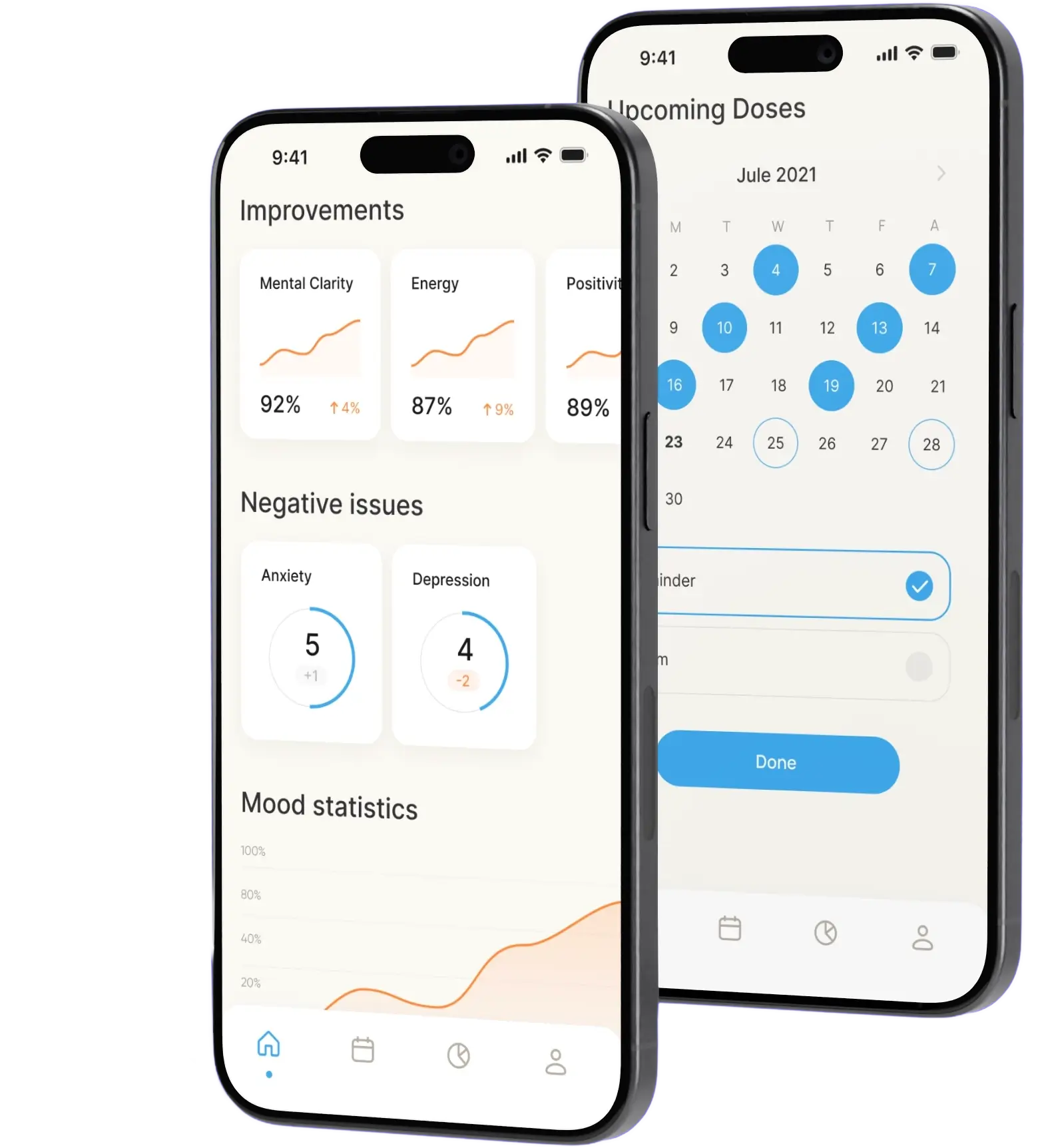

While more research is needed, previous studies indicate that some of the conditions that may be treated with microdosing include:
- Post Traumatic Stress Disorder (PTSD)
- Anxiety
- Depression
- Alcohol Addiction


Nov. 18, 2021
FAQ
In general, a microdose is considered to be one tenth of a dose normally causing hallucinogenic effects. Generally, this involves a frequency that ranges between 2 and 4 times a week, and a duration of a few weeks, to months, or even years, although the latter is rare.
Reported short-term benefits of microdosing include an increase in positive mood, a decrease in negative mood, and in improvement relationships with others and their environment, which seems to be in line with the effects of full psychedelic doses, though without the perceptual effects.
Acute negative effects may occur when individuals are under the influence of psychedelics including psychological (‘increased anxiety’) or physiological (‘discomfort’) changes.
Some suggest that this increased anxiety is linked to the surface emergence of latent emotional content as a result of the microdosing. Along the same lines, it is reasoned that this could accelerate a healing process in a therapeutic context because these emotions can then be explored.
To date, there has not been comprehensive enough studies to rule out other potential risks or dangers. There are currently approximately 100 clinical trials recruiting for the study of psychedelic-assisted therapies.
While it is critical to always consult a licensed healthcare professional; with regard to safety, studies have demonstrated that low doses are well tolerated (in healthy volunteers) and have no-to-minimal effects on physiological measures. – NIH.gov
While further research is needed and is currently underway as to whether psychedelic microdosing is of therapeutic value for depression, the effects on selective processes suggest that low doses of psychedelics could play a role in treating depression by inducing cognitive flexibility, which may lead to decreased rumination.
Future placebo-controlled clinical trials in depressed patients are required to understand the therapeutic value of microdosing psychedelics, how this may differ from therapy using standard psychedelic dosing, and whether different substances have different effect patterns.
This proposed research will give new insights into the potential of future alternative psychiatric treatment forms that are urgently needed, given the often suboptimal results of current treatments.